Housing
Homes that gateway communities can actually build, staff, and keep.
A Habitable · 500 Acres Challenge
Real homes. Real ownership. Hack Housing is a build competition in the towns at the gates of our national parks, where the people who run them often cannot afford to live near them.
The Challenge
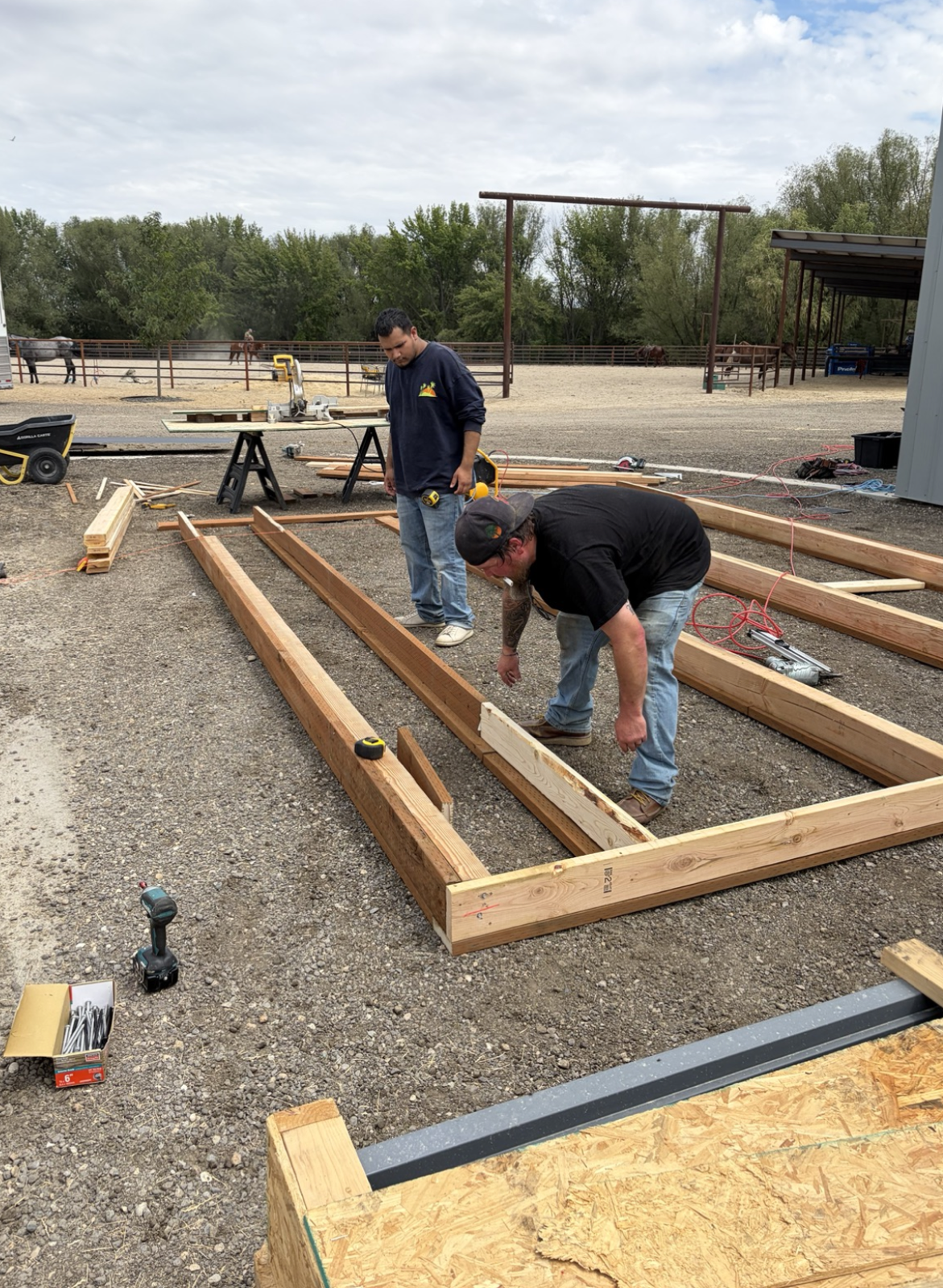
Gateway towns cannot house the people that parks and the travel economy depend on. Hack Housing takes that on directly: Fellows learn to design, fabricate, and build homes while earning their way toward owning what they build.
Homes that gateway communities can actually build, staff, and keep.
A generation learning CNC, robotics, open design, and hands-on construction.
Ownership as the outcome, not a handout. Fellows build equity and local belonging.
How It Works
Fellows climb a builder’s ladder: the same apprentice-to-master path the trades have used for centuries, now powered by digital fabrication and judged on real completed work.
Learn tools, safety, craft, and the fundamentals of open building systems.
Design and complete a home judged on practical capability and honest appraisal.
Create the best repeatable build process for other Fellows and other towns.
Maker Lab Network
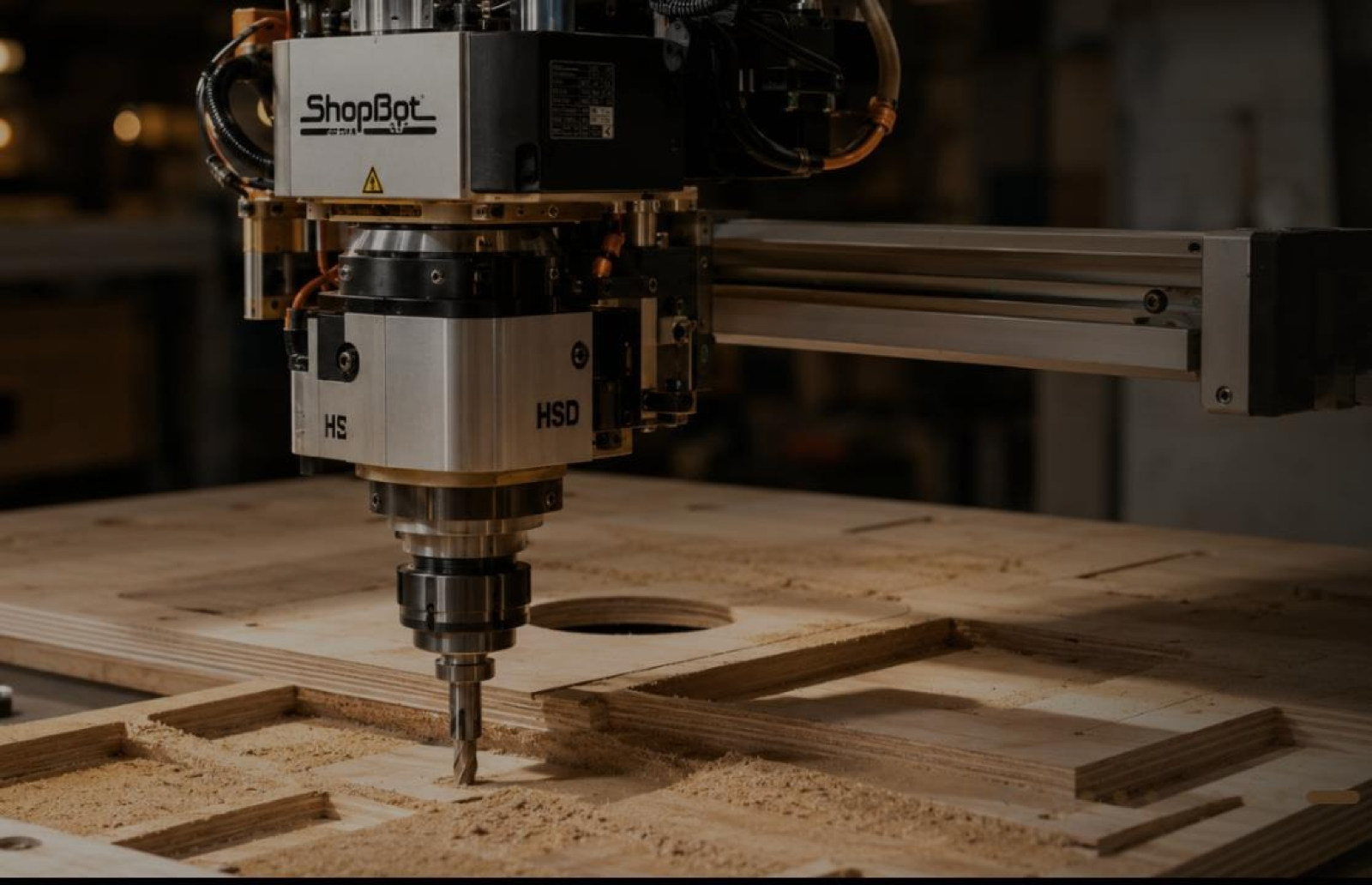
The maker lab map connects Fellows to nearby shops, schools, university labs, fabrication tools, and mentors. Davis, Brooklyn, Boise, Atlanta, Dallas, and new fellowship areas can be added one by one as the program grows.
Recruitment & Build Timeline
The plan moves from outreach to applications, selection, team formation, permitting, fabrication, site work, and final turnover before the start of rental season.
The HCU Ladder
Each rung builds value, capability, and access to homeownership. The work starts simple and becomes more permanent as Fellows prove the system.
Hospitality and income first.
Cost-primary, with an income floor.
Serviced, rentable, and more resilient.
A stronger bridge to residential value.
Fully in the real-property regime.
Meet the Fellows
Each Fellow brings a different discipline to the same build: design, fabrication, engineering, permitting, hospitality, documentation, and field leadership.
Maker’s Lab Map fellow at UC Davis, building the lab finder that connects fellows to nearby fabrication resources.
Artist in Residence from Atlanta with a background in architecture and studio arts.
Build Track fellow focused on hands-on construction learning and project development.
Robot and Drone Track fellow studying robotics at the University of Michigan–Ann Arbor.
Robot and Drone Track fellow focused on drone operations, monitoring, and autonomous systems.
Additional fellows include Matalyn Perdew, Mac Holmes, August Easley, Adriano Muro, and Srinketh Shankar.
Sponsor · Get Involved
Gifts are made to the 500 Acres Foundation, a 501(c)(3), and support the Fellows, the labs, and the builds. Sponsors are recognized across the competition and on the finished homes.
Funds a full Fellow build. One gift, one home.
Underwrites half a build and the mastery training behind it.
Powers a Fellow through the working-builder stage.
Equips a first-time builder’s start.
Keeps the labs open and the tools sharp.
Every gift moves a Fellow one rung up.
Building-Supply Partners
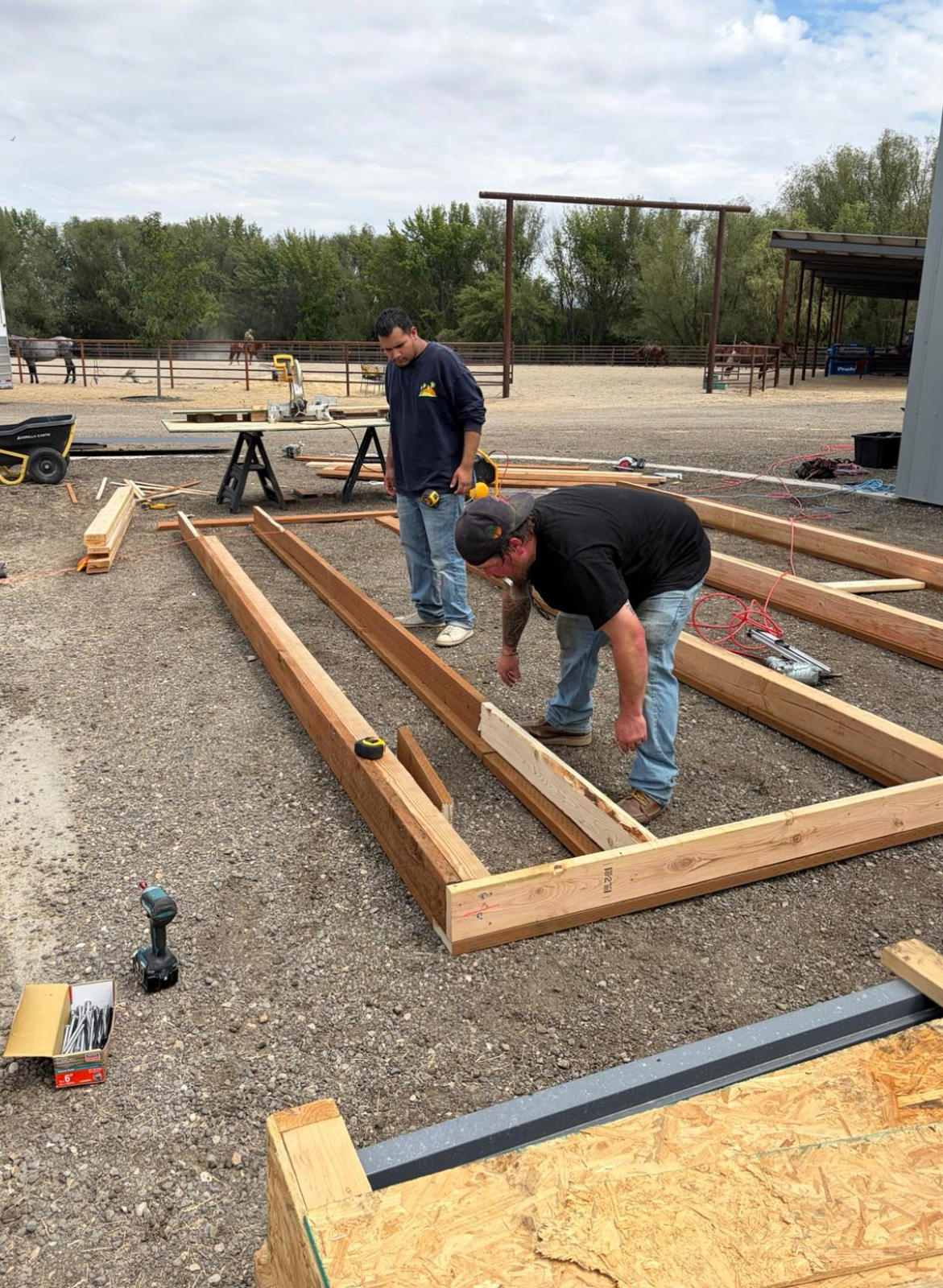
Lumber, fasteners, roofing, windows, tools, and in-kind contributions put a company directly into the homes these Fellows build. Tell us what you can contribute and we will match it to a lab or build site.
Or give by wire, DAF, stock, or in-kind by emailing welcome@500acres.org.